


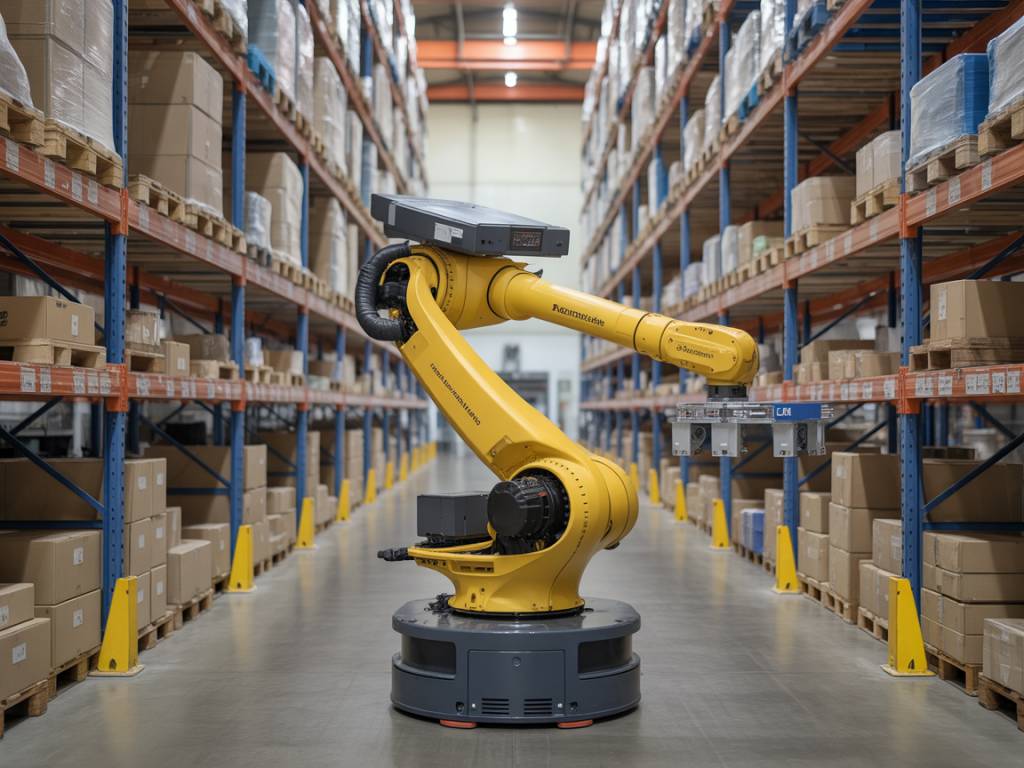
What Is Predictive Maintenance in Warehouse Robotics?
Predictive maintenance is a proactive approach that leverages data analytics, machine learning, and Internet of Things (IoT) technologies to forecast equipment failures before they occur. In the context of warehouse robotics, predictive maintenance allows companies to optimize operational efficiency, reduce unexpected downtime, and extend the lifespan of their automated systems.
Unlike preventive maintenance, which follows a fixed schedule, predictive maintenance relies on real-time data collected from embedded sensors in warehouse robots. These sensors monitor variables such as temperature, vibration, battery levels, and motor wear. The result is a smarter maintenance strategy that adapts to the actual condition of each machine rather than a one-size-fits-all calendar-based plan.
Why Predictive Maintenance Matters in Automated Warehouses
As warehouse automation becomes increasingly common in logistics and supply chain management, the reliance on robotics grows. This transformation is driven by growing e-commerce demand, labor shortages, and the need for faster delivery fulfillment. However, downtime caused by robotic system failures can halt operations and significantly impact productivity and customer satisfaction.
Implementing predictive maintenance in warehouse robotics brings several tangible benefits:
- Reduced Unscheduled Downtime: Early detection of wear and tear prevents sudden equipment breakdowns.
- Increased Robot Lifespan: Components are serviced precisely when needed, avoiding overuse or neglect.
- Optimized Maintenance Schedules: Maintenance teams can be more efficient by addressing only the machines that require attention.
- Improved Inventory Management: Reduction in spare parts inventory, as replacements are based on actual needs.
- Enhanced Safety: Malfunctioning robots pose safety risks. Predictive maintenance helps identify risks before incidents occur.
How Predictive Maintenance Works in Warehouse Robotics
To effectively implement predictive maintenance, warehouse operators rely on a combination of sensor technologies, data analytics frameworks, and AI-driven prediction models. Here’s how predictive maintenance typically functions:
1. Sensor Data Collection: Robots are equipped with IoT sensors that capture performance data in real-time. This includes temperature sensors on motors, vibration sensors on joints, and voltage monitors on batteries. These inputs form the raw material for predictive analytics.
2. Data Transmission & Storage: The collected data is transmitted to a centralized data management platform—often cloud-based—that aggregates, stores, and processes it for further analysis.
3. Condition Monitoring & Diagnostics: Algorithms constantly analyze real-time data against historical baselines to detect deviations from normal operational behavior. Unusual vibrations or temperature increases may signal emerging issues.
4. Predictive Analytics & Alerts: Machine learning models use this data to predict the likelihood and timing of future failures. Maintenance professionals then receive alerts to investigate or service specific robots before faults occur.
5. Feedback & Optimization: As more data flows through the platform, predictive models become increasingly accurate through continuous learning, improving overall warehouse efficiency.
Key Technologies Enabling Predictive Maintenance in Robotics
The adoption of predictive maintenance in warehouse robotics depends on several critical technologies that continue to evolve rapidly:
- Internet of Things (IoT): IoT-connected sensors enable remote monitoring and data collection from dispersed warehouse automation systems.
- Artificial Intelligence (AI): AI algorithms analyze large data sets to identify patterns and anticipate mechanical failures.
- Edge Computing: Reduces latency by processing data close to the source (on the robot itself) rather than transmitting everything to the cloud.
- Digital Twins: Virtual replicas of robots help simulate failure modes and predict outcomes without impacting physical equipment.
- Cloud Computing: Offers scalable infrastructure for data storage, model training, and cross-site predictive maintenance applications.
Implementing Predictive Maintenance in Your Warehouse
Organizations aiming to implement predictive maintenance in robotic systems must undertake a strategic and stepwise approach. Here are some practical steps:
- Start with Equipment Audit: Evaluate existing robotic assets to understand their maintenance requirements and failure history.
- Deploy Sensors: Retrofit or select robots with integrated sensors capable of collecting actionable performance data.
- Select a Data Platform: Use warehouse management systems (WMS) or asset performance management (APM) platforms that support real-time analytics.
- Train Staff: Equip in-house maintenance teams with the tools and training necessary to act on predictive insights effectively.
- Test and Scale: Begin with a pilot program before rolling out predictive maintenance across all robotic units.
Implementing predictive maintenance also requires collaboration between IT, operations, and maintenance departments. It’s not merely a technical transformation but a cultural shift toward data-driven decision-making.
Real-World Examples of Predictive Maintenance in Warehouses
Several logistics and e-commerce leaders have successfully adopted predictive maintenance strategies to elevate reliability and lower costs. For instance, Amazon operates massive automated fulfillment centers using thousands of autonomous mobile robots (AMRs). These robots are monitored 24/7 through connected systems, allowing predictive models to schedule maintenance during low-usage periods.
Similarly, DHL employs predictive analytics platforms to monitor conveyor systems and robotic arms. The result: a measurable drop in unplanned downtime and a significant increase in asset utilization rates. By proactively addressing anomalies, DHL has improved overall operational resilience and reduced emergency repair costs.
The Future of Robotics Maintenance in Warehousing
The role of predictive maintenance will only grow as warehouses become smarter and more connected. With advancements in AI, 5G connectivity, and robotics standardization, future warehouse robots will be even more autonomous—not only in their movements but also in managing their own health.
Predictive maintenance systems may soon be capable of self-diagnosis and self-scheduling maintenance tasks without human input, further reducing workloads on maintenance teams. Integrated dashboards will allow real-time visibility over entire fleets of robots, enabling companies to make informed decisions rapidly and with greater confidence.
Moreover, predictive maintenance aligns perfectly with sustainable practices. By extending the usable life of warehouse automation assets and reducing energy and material waste from malfunctioning components, businesses can simultaneously cut costs and lower their environmental impact.
Investing in Predictive Maintenance Technologies
Warehouse operators looking to stay competitive should view predictive maintenance as a strategic investment rather than an operational expense. The deployment of condition-monitoring sensors, AI platforms, and analytics tools is no longer exclusive to large enterprises. A growing number of vendors now offer scalable solutions tailored to small and medium-sized warehouses.
Key components to consider when evaluating a predictive maintenance solution include:
- Ease of integration with existing warehouse systems
- Customizability of machine learning models
- Sensor compatibility and coverage
- Data visualization and alerting capabilities
- Vendor support and training programs
The return on investment (ROI) for predictive maintenance often comes in the form of reduced operational disruption, fewer emergency repairs, and extended capital asset life—all of which contribute to a leaner, more agile supply chain.
Implementing predictive maintenance in warehouse robotics is not just a technological upgrade—it’s a vital component of future-ready logistics operations. By taking steps today, companies position themselves to meet the rising demands of tomorrow with speed, reliability, and intelligence.