 Jeremy
 Autonomous quality control robots are moving from pilot projects to practical tools in modern warehouses. They are reshaping how operators inspect inventory, verify packaging, detect damage, and maintain consistent service levels. In an environment where speed, accuracy, and traceability matter, robotic inspection is becoming a strategic advantage.
Warehouses face constant pressure. Orders must move quickly. Errors must stay low. Labor shortages, increasing SKU complexity, and tighter customer expectations make manual inspection harder to sustain at scale. Autonomous inspection robots address these challenges by bringing repeatability, data capture, and real-time decision support into quality control workflows.
What Autonomous Quality Control Robots Do in Warehouses
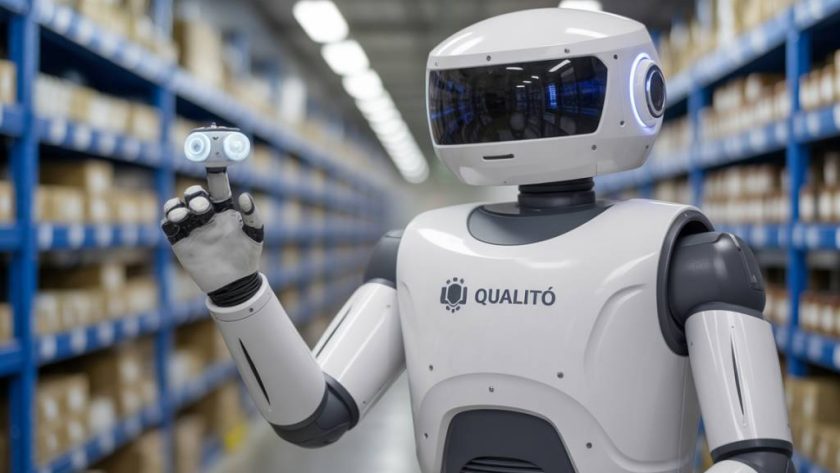
Autonomous quality control robots are mobile or fixed systems designed to inspect products, pallets, shelves, and packaging without continuous human guidance. They use technologies such as computer vision, LiDAR, barcode scanning, infrared sensors, and machine learning to identify defects and verify operational standards.
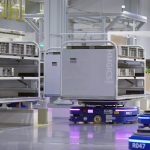
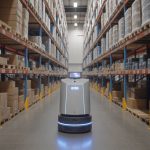
These systems can patrol aisles, inspect storage locations, check item labels, compare inventory against the warehouse management system, and flag anomalies. Some are built for inbound inspection. Others focus on outbound order verification. In both cases, the objective is the same: improve inspection accuracy while reducing the time and labor required for manual checks.
The term “robotized inspection” covers a wide range of use cases. It may involve autonomous mobile robots scanning racks for missing items. It may involve robotic arms checking dimensions or package integrity. It may also include stationary vision systems that inspect goods moving along a conveyor. The common factor is automation. The process becomes more consistent, more measurable, and easier to scale.
Why Quality Control Matters for Warehouse Reliability
Warehouse reliability depends on the ability to deliver the right product, in the right condition, at the right time. A small inspection failure can create a cascade of problems. Damaged goods may be shipped. Incorrect labels may cause misroutes. Inventory records may diverge from physical stock. These issues reduce customer trust and increase operational costs.
Manual inspection is useful, but it has limits. Human inspectors get tired. They may miss subtle defects. Their results can vary from shift to shift. In high-volume operations, it becomes difficult to inspect every relevant touchpoint without slowing throughput.
Autonomous quality control robots reduce this variability. They apply the same inspection criteria consistently. They capture data at scale. They make it easier to identify recurring issues and trace them back to a specific supplier, station, lane, or process step. That visibility supports better warehouse reliability and stronger supply chain performance.
How Robotic Inspection Improves Accuracy and Consistency
Accuracy is one of the most valuable benefits of autonomous inspection robots. Computer vision systems can detect torn packaging, missing labels, poor pallet stacking, crushed corners, and dimensional inconsistencies. Advanced models can also identify patterns that indicate repeat defects or process drift.
Consistency is equally important. Human inspectors may interpret standards differently. A robot uses the same rule set every time. That makes quality thresholds easier to enforce across multiple shifts, teams, or facilities. It also helps companies standardize quality control across distributed warehouse networks.
Many systems store images and inspection results automatically. This creates an audit trail. When a defect is detected, managers can review the evidence, understand the root cause, and decide whether corrective action is needed. The result is a more transparent inspection process with fewer blind spots.
Key Technologies Behind Autonomous Quality Control Robots
Several technologies work together to make robotic inspection effective in warehouse environments. Each one contributes a specific function.
- Computer vision for identifying defects, reading labels, and comparing objects against reference images
- Machine learning for improving detection accuracy over time and recognizing recurring anomaly patterns
- LiDAR and SLAM for navigation, mapping, and obstacle avoidance in dynamic warehouse layouts
- Barcode and RFID scanning for verifying product identity and inventory status
- Edge computing for processing data close to the robot, reducing latency and enabling faster decisions
- Cloud platforms for centralized reporting, analytics, and long-term quality tracking
These tools allow autonomous systems to do more than simply move around a warehouse. They collect operational intelligence. They transform inspection into a continuous source of data rather than a periodic manual task.
Common Warehouse Use Cases for Robotized Inspection
Autonomous quality control robots support many stages of warehouse activity. The most common use cases are practical and highly targeted.
Inbound inspection is one example. When goods arrive, robots can help verify packaging condition, pallet stability, and item labeling before products enter storage. This reduces the chance that defective goods are accepted into inventory.
Inventory verification is another major use case. Autonomous robots can inspect shelf locations, scan product codes, and compare physical stock with the warehouse management system. This helps uncover discrepancies before they affect fulfillment.
Outbound inspection is especially important in e-commerce and high-volume distribution. Before a shipment leaves the facility, robots can verify order completeness, packaging quality, and label accuracy. That reduces returns, customer complaints, and rework.
Some warehouses also use inspection robots for safety and infrastructure monitoring. These systems can detect blocked aisles, damaged racks, temperature deviations, or unauthorized placements. While not always classified as quality control in the narrow sense, these checks strengthen operational reliability in the same way.
Benefits for Labor, Throughput, and Operational Resilience
One of the strongest arguments for autonomous inspection is labor optimization. Robots do not replace every human role, but they do reduce the need for repetitive and time-consuming checks. This allows employees to focus on higher-value work such as exception handling, process improvement, and customer service.
Throughput can improve as well. Automated inspection is fast and repeatable. It can run during peak periods without fatigue. It can inspect more frequently than a manual process, which means issues are detected earlier and resolved sooner. That lowers the risk of bottlenecks and delays.
Operational resilience is another advantage. Warehouses need systems that perform reliably under changing conditions. Labor shortages, seasonal surges, and process complexity all increase risk. Autonomous quality control robots create an additional layer of control that helps stabilize operations when pressure rises.
Data-Driven Quality Control and Continuous Improvement
Autonomous inspection is not only about finding defects. It is also about understanding why they happen. The data collected by quality control robots can reveal trends that would be difficult to spot manually. For example, a robot may detect that one packaging line consistently produces weak seals. It may also show that damage increases in a specific zone of the warehouse, possibly due to congestion or poor pallet handling.
This kind of insight supports continuous improvement. Managers can prioritize corrective actions based on evidence rather than assumption. They can measure the impact of process changes over time. They can also benchmark performance across sites and identify best practices worth standardizing.
When integrated with warehouse management systems, transportation platforms, and ERP tools, robotic inspection becomes part of a broader digital supply chain strategy. The warehouse becomes more connected. Decisions become faster. Quality becomes easier to manage at scale.
Challenges to Consider Before Deployment
Autonomous quality control robots offer clear advantages, but successful deployment requires planning. Warehouse layout matters. A robot must navigate safely and reliably in a changing environment with forklifts, workers, pallet jacks, and temporary obstacles. Poor mapping or narrow aisles can reduce performance.
Integration is another concern. Inspection data must connect with existing systems to be useful. If alerts are not routed to the right teams, or if reports are difficult to interpret, the value of automation is reduced. A strong implementation plan should include software integration, workflow design, and exception management.
Training is also essential. Operators need to understand how the robot works, what it can detect, and how to respond when it flags an issue. Human oversight remains important. The best systems support workers rather than isolate them from the process.
What Buyers Should Look for in Autonomous Inspection Robots
For businesses considering an investment in robotic quality control, several criteria deserve close attention. The right solution should match the warehouse’s operating model and quality goals.
- Inspection capabilities that fit the specific use case, such as label verification, damage detection, or inventory checks
- Reliable navigation in active warehouse environments
- Integration with WMS, ERP, and quality management systems
- Clear reporting, dashboards, and audit trails
- Expandable software features and update support
- Strong vendor service, maintenance, and implementation assistance
- Scalability across multiple shifts, zones, or facilities
Buying decisions should focus on operational fit, not just technical novelty. A robot that performs well in a demo may not perform equally well in a live warehouse with constant movement and changing inventory patterns. Pilot testing is often the best way to validate performance before full deployment.
The Future of Robotized Inspection in Warehouse Operations
Autonomous quality control robots are likely to become more capable as vision systems, sensor fusion, and AI models improve. Inspection will become faster. Defect recognition will become more precise. Integration with predictive analytics will allow warehouses to anticipate quality problems before they disrupt operations.
The long-term direction is clear. Warehouses are moving toward more autonomous, data-rich, and resilient operating models. Robotized inspection fits that direction well because it improves reliability without slowing the flow of goods. It adds control where control is often difficult to maintain.
For organizations seeking better warehouse accuracy, fewer errors, and stronger supply chain performance, autonomous quality control robots are no longer just an emerging concept. They are becoming a practical component of modern logistics infrastructure. Their value lies in repeatability, visibility, and the ability to turn inspection into a continuous operational advantage.